
5 Highly Recommended San Francisco Transgender Therapy Providers

Maybe you're questioning your gender for the first time. Maybe you've known who you are for years but feel exhausted by having to explain, defend, or minimize parts of yourself. Or perhaps gender isn't the reason you're seeking therapy at all. Maybe you simply want a therapist who understands that your identity is part of your life without making it the focus of every session.
At Stillpoint Therapy Collective, we offer transgender therapy in San Francisco that's affirming, collaborative, and grounded in respect for your lived experience. With us, transgender therapy gives you room to show up as your whole self. Several of our therapists are trans, nonbinary, genderqueer, or gender-fluid themselves, while others bring extensive experience providing trans-affirming care.
Jump to a Therapist
Chaim Kokhleffel: Best for trans clients navigating trauma, chronic illness, and identity
Callista Cox: Best for gender-affirming care, disability, and complex health needs
Lauren Thibodeau: Best for trans clients seeking EMDR and trauma-focused therapy
Amber Godwin: Best for trans-affirming somatic and nervous system support
Ky Cruz: Best for queer, nonbinary, and neurodivergent identity exploration
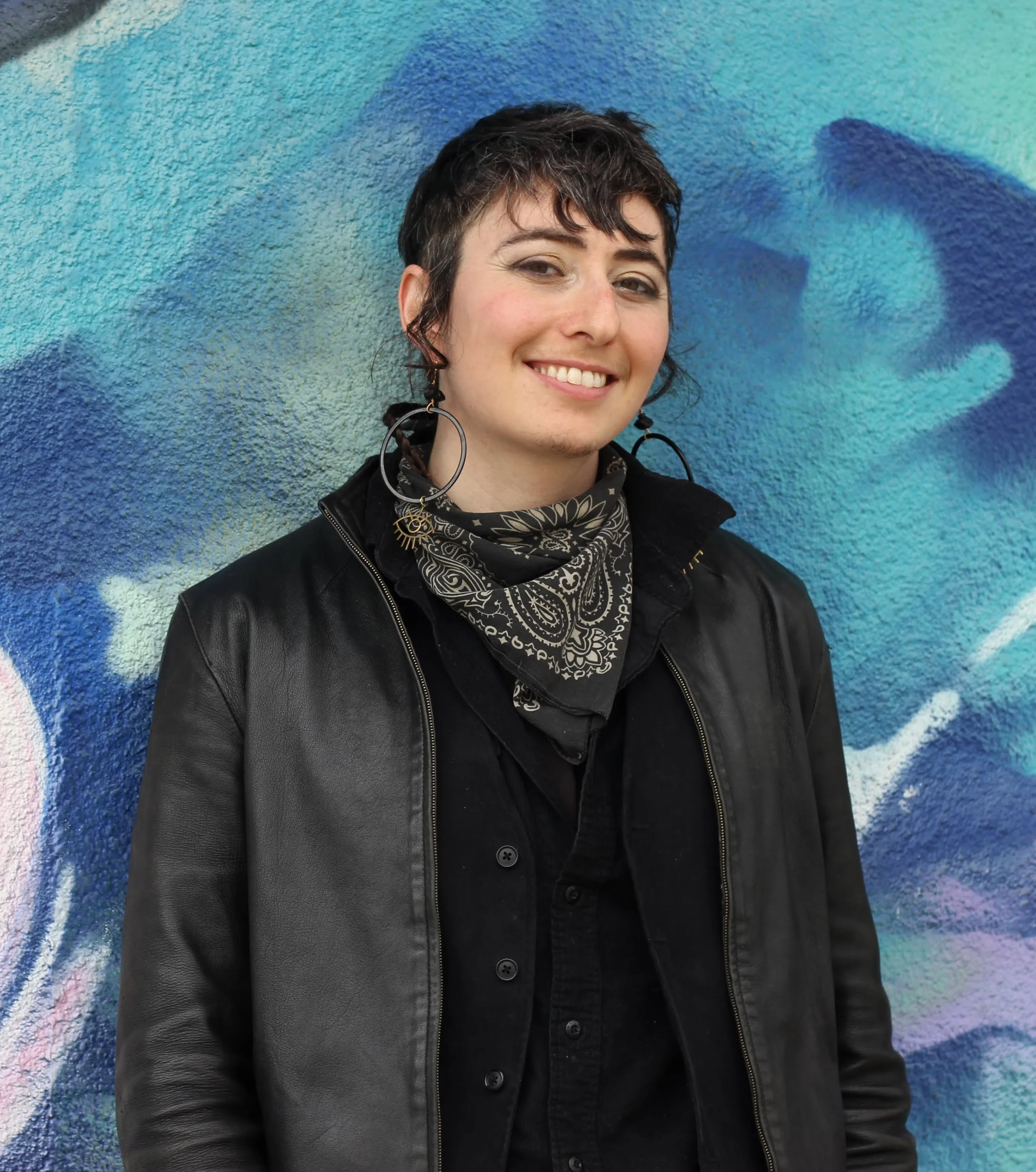
Chaim Kokhleffel
Best for trans clients navigating trauma, chronic illness, and identity
As a trans and genderqueer therapist, I understand that gender may intersect with disability, chronic illness, neurodivergence, trauma, grief, culture, relationships, and the systems you have to move through every day.
My approach is somatic, creative, and deeply relational, with room to bring in expressive arts, movement, dreams, ritual, IFS, or ecotherapy when those practices feel meaningful to you. I'm especially drawn to working with people who have felt pushed to the margins and want therapy centered on agency, connection, and creating a life that feels more fully their own.
Credentials: Associate Professional Clinical Counselor #19108
Specialty Areas: LGBTQIA+ couples and individuals, trauma and CPTSD, identity exploration, chronic pain and illness, grief, burnout
Virtual therapy?: Yes, available across California

Callista Cox
Best for gender-affirming care, disability, and complex health needs
I identify as nonbinary, genderqueer, trans, transmasc, and butch, and I bring both lived perspective and specialized clinical training to gender-affirming work. I'm particularly experienced in supporting disabled and chronically ill people, and my relational approach helps us look at how family, healthcare systems, relationships, and larger social pressures influence how you experience yourself. I also have specific training in gender-affirming care assessments and can provide letters for HRT or surgery when appropriate, so you don't have to start over with someone unfamiliar with trans healthcare.
Credentials: Associate Marriage and Family Therapist #141253
Specialty Areas: LGBTQIA+ and gender-diverse clients, disability and chronic illness, trauma, caregiver stress, grief, depression, family and relationship dynamics
Virtual therapy?: Yes, available across California
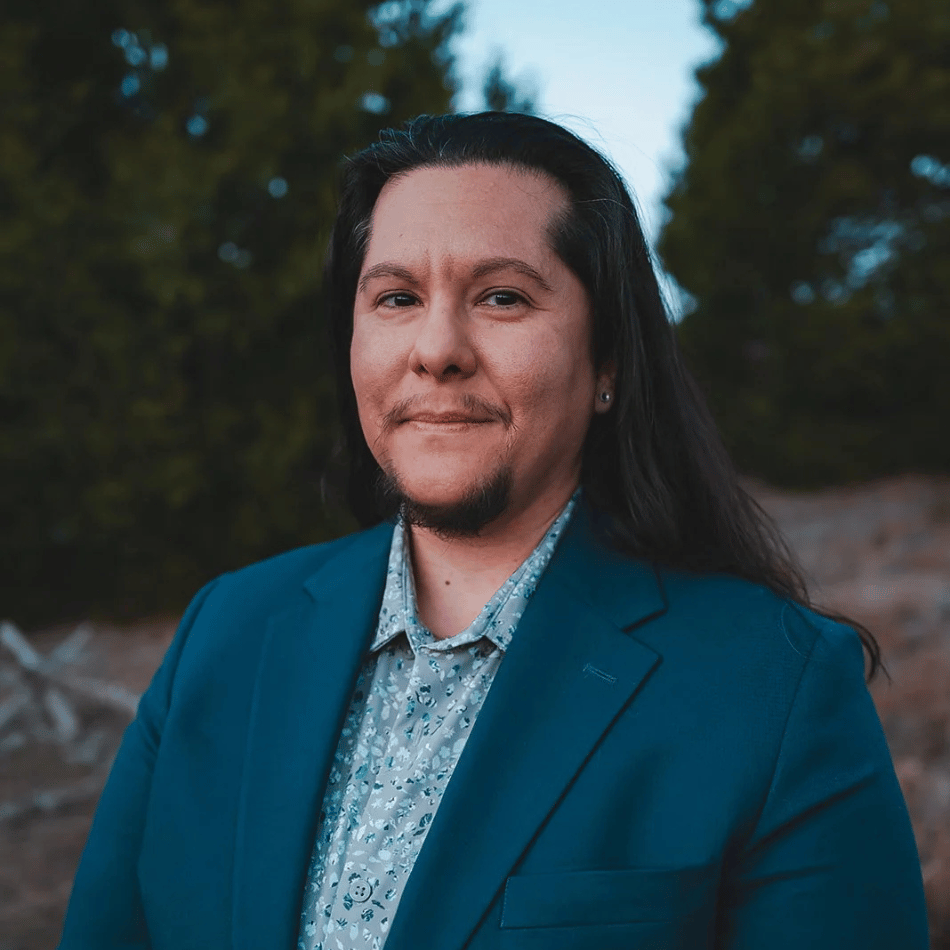
Lauren Thibodeau
Best for trans clients seeking EMDR and trauma-focused therapy
As a trans male therapist, I know that healing and identity rarely exist in separate compartments. I combine gender-affirming therapy with EMDR, Somatic Experiencing, IFS, attachment-based work, and other approaches to support people healing from trauma, reclaiming their voice, or trying to feel more at home in themselves. My experience with ADHD, autism, OCD, complex health conditions, chronic pain, and interpersonal violence can be especially helpful when gender is only one part of a much bigger picture.
Credentials: Associate Marriage and Family Therapist #127601
Specialty Areas: Gender and identity exploration, LGBTQIA+ care, trauma and CPTSD, neurodivergence, OCD, chronic illness and pain
Virtual therapy?: Yes, available across California and in-person in San Diego

Amber Godwin
Best for trans-affirming somatic and nervous system support
I don't personally identify as trans, but I bring experience providing knowledgeable, trans-affirming care and understand the importance of creating a space where your identity is respected without assumptions. My work blends relational talk therapy with Somatic Experiencing and nervous-system-focused practices, which can be particularly supportive when trauma, anxiety, stress, or difficult experiences have made connection with your body feel complicated. We move at a pace that feels manageable, building greater regulation, self-trust, and room for ease rather than forcing change before you feel ready.
Credentials: Associate Marriage and Family Therapist #144905
Specialty Areas: Trauma and complex trauma, anxiety, stress, nervous system regulation, relationships, life transitions
Virtual therapy?: Yes, available across California
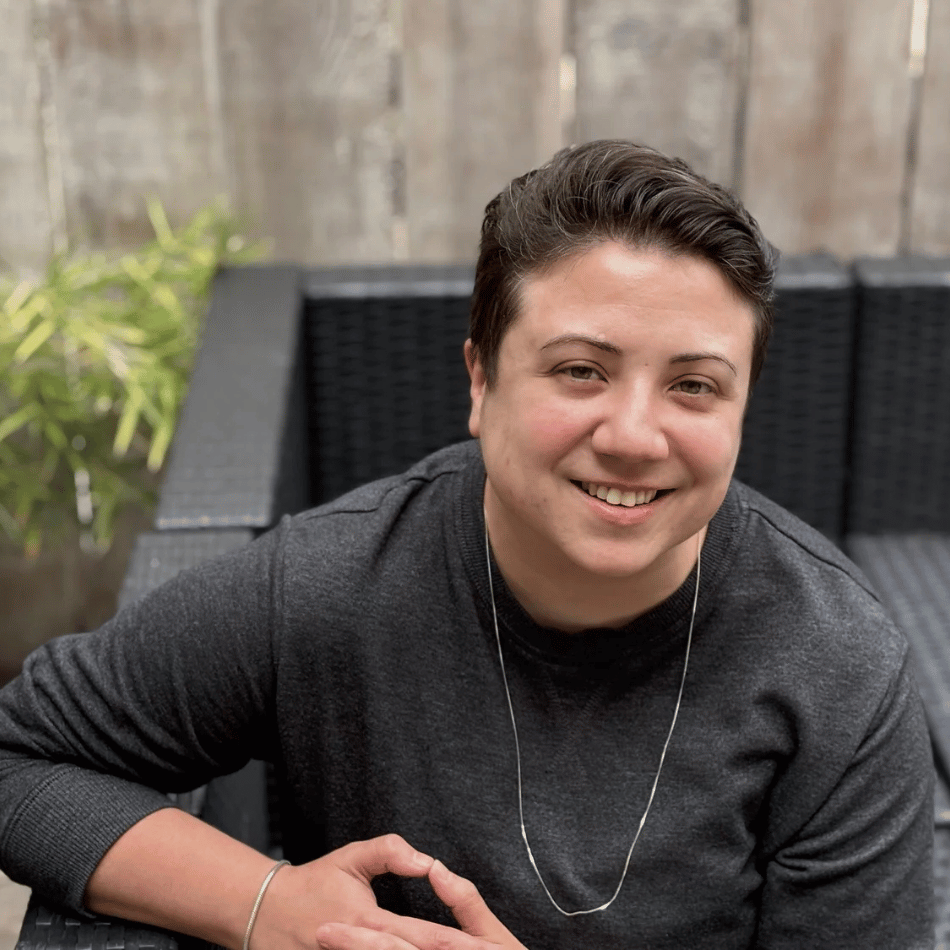
Ky Cruz
Best for queer, nonbinary, and neurodivergent identity exploration
As a queer, nonbinary/gender-fluid therapist, I approach identity with curiosity rather than assumptions about what it should look like. I'm especially interested in supporting people whose experiences sit at the intersections of gender, sexuality, race, neurodivergence, trauma, relationships, and culture, using a social justice and trauma-informed lens. Rather than treating coping strategies or identity questions as something to correct, we'll explore what they mean in the context of your life and shape therapy around what feels authentic and useful to you.
Credentials: Associate Marriage and Family Therapist #160179
Specialty Areas: LGBTQIA+ identity, neurodivergent-affirming therapy, BIPOC clients, trauma and CPTSD, relationships, grief, substance use, life transitions
Virtual therapy?: Yes, available across California
What sets our practice apart from other San Francisco transgender therapy providers
Finding an affirming therapist is about more than seeing "LGBTQ+ friendly" on a website. At Stillpoint Therapy Collective, we've built a team of trans, gender-diverse, and trans-affirming therapists who share a commitment to thoughtful, identity-affirming care. Here's what makes our approach different:
Therapists with lived experience. Several clinicians on our team identify as trans, nonbinary, genderqueer, gender-fluid, or otherwise LGBTQIA+.
Trans-affirming clinicians across specialties. Shared identity isn't the only path to competent care. Our team also includes therapists with experience providing affirming support to trans and gender-diverse clients.
An intersectional perspective. Gender can interact with race, culture, disability, neurodivergence, sexuality, chronic illness, class, family, relationships, and other parts of identity. Our therapists make room for the whole picture.
Trauma-informed and somatic expertise. Our clinicians draw from approaches including Somatic Experiencing, EMDR, IFS, attachment-focused therapy, psychodynamic therapy, DBT, ACT, and expressive arts.
Care that doesn't assume a particular transition path. There is no one way to be trans. Therapy can support exploration without pushing you toward-or away from-social, legal, or medical changes.
Support beyond gender. Our clinicians also specialize in trauma, relationships, anxiety, depression, chronic illness, neurodivergence, grief, burnout, and other concerns.
In-person and virtual options. Depending on your therapist, sessions may be available in San Francisco, elsewhere in the Bay Area, or virtually throughout California.
Whether you're exploring something new about yourself, healing from experiences that have made it difficult to feel safe, or simply looking for a therapist who gets it, our goal is to create a relationship where you can bring more of yourself into the room.
What to expect from the therapy process
Step 1: Start with a free consultation
We'll begin with a brief consultation to hear what brings you to therapy, answer questions, and talk about what you're hoping to find in a therapist. You can also tell us what matters most when choosing someone, whether that's shared trans lived experience, a particular therapeutic modality, expertise in trauma or neurodivergence, help with gender-affirming care, or simply someone you feel comfortable talking to.
Step 2: Attend your first session and get to know each other
Your first full session gives you and your therapist more time to understand what's happening in your life and what you want from therapy. You don't need to arrive with a perfectly defined goal or explanation of your identity. We'll begin where you are and build the relationship from there.
Step 3: Explore what matters to you
Ongoing therapy might involve exploring identity, noticing patterns in relationships, processing trauma, reconnecting with your body, developing tools for regulation, working through family experiences, or examining the expectations you've carried. The direction depends on your needs, not on a predetermined idea of what transgender therapy in San Francisco is supposed to look like.
Step 4: Build greater choice and connection
Over time, therapy can help you better understand your needs, boundaries, relationships, emotions, and ways of responding to stress. Our goal is to create more space for agency, connection, and a life that feels aligned with who you are.
Frequently Asked Questions about Transgender Therapy
-
Transgender therapy is therapy provided in a way that affirms and respects trans, nonbinary, genderqueer, gender-fluid, and other gender-diverse experiences. You might use therapy to explore gender, navigate transition, or cope with discrimination. Many of our trans clients also work through the grief that may arise from living in a world where being fully themselves isn't always understood, celebrated, or even safe.
Transgender therapy in San Francisco can also simply mean receiving ordinary mental health support from someone who understands and respects your identity.
-
No. Therapy can be a place to explore questions about gender without pressure to arrive at a particular label or conclusion. You may identify as trans, nonbinary, genderqueer, questioning, gender-fluid, or not use any label at all. A gender-affirming therapist can help you become more curious about your experience rather than telling you what your identity means.
-
LGBTQIA+ affirming therapy is an approach that respects and supports a person's sexual orientation, gender identity, and gender expression without treating those parts of who they are as problems to fix. An affirming therapist understands how experiences like minority stress, discrimination, family rejection, coming out, or navigating relationships can affect mental health while also recognizing that LGBTQIA+ people seek therapy for all the same reasons anyone else does. At Stillpoint, affirming care means creating space for you to explore what matters to you without assumptions about your identity, relationships, or goals.
-
Your decision on which therapist you want to work with is completely up to you. Some clients feel more comfortable with a transgender therapy provider who shares trans or gender-diverse lived experience, while others prioritize a particular specialty, therapeutic style, personality, or clinical approach. Stillpoint offers both therapists with trans and gender-diverse identities and clinicians who do not identify as trans but have experience providing trans-affirming care.
-
Yes. Our San Francisco transgender therapy providers have experience supporting people with gender dysphoria and other concerns related to gender identity. Callista, for example, has specialized training in treating gender dysphoria and providing support to transgender and gender-diverse clients.
In our experience, gender dysphoria is usually a result of living in a society where trans people are othered, marginalized, viewed as “wrong.” Therapy might involve understanding what increases or reduces dysphoria, exploring your relationship with your body, strengthening coping strategies, navigating relationships, or discussing possible social or medical changes.
It’s our goal in treatment to ultimately help you experience gender euphoria—the deep sense of joy, comfort, and peace that you feel when you show up as your true gender identity.
-
Yes. Trans people can experience trauma for many of the same reasons anyone else does, while some may also have experiences involving rejection, discrimination, harassment, violence, medical settings, or chronic minority stress.
Several therapists at Stillpoint specialize in trauma and complex PTSD and use approaches such as Somatic Experiencing, EMDR, IFS, attachment-based therapy, and other trauma-informed methods.
-
Mental health benefits may cover transgender therapy in San Francisco regardless of whether the concerns you discuss relate specifically to gender. What typically matters to insurance companies is a qualifying mental health diagnosis like depression, trauma, or anxiety.
However, our clinicians are all out-of-network and don't bill insurance directly. This means we can provide you with the care you deserve without insurance restrictions on diagnosis, session limits, length, or type of treatment. If you have out-of-network benefits, many of our clinicians can provide superbills for you to submit for potential reimbursement. Limited sliding-scale spots may also be available depending on therapist availability.
Start transgender therapy in San Francisco
Therapy that makes room for your whole self.
You deserve therapy where your identity is respected, your experiences are understood, and you don’t have to explain or defend who you are. Through San Francisco transgender therapy, we help you create more space for self-trust, connection, and a life that feels more aligned with you.