
8 San Francisco Neurodivergent Therapists [Available Now]
You Are Not a Problem to Be Fixed
If you’ve been told you're “too much,” “too sensitive,” or “not trying hard enough,” you’re not alone. Many neurodivergent people have spent their lives masking, managing sensory overload, or trying to fit into a world that wasn’t built with them in mind.
We offer therapy that affirms your neurodivergence and centers your lived experience, not one that tries to change or pathologize you.
We Support Clients With:
ADHD, autism, sensory sensitivity, and executive function challenges
Burnout from masking or people-pleasing
Navigating relationships as a neurodivergent person
Understanding and accepting your identity
Self-advocacy, boundaries, and interdependence
Unlearning shame and internalized ableism
Jump to a therapist
Lauren Thibodeau: Good fit for BIPOC neurodivergent folks
Callista Cox: Good fit for gender-diverse neurodivergent folks
Amy Toig: Good fit for neurodivergent folks experiencing chronic pain/illness
Ellen Ottman: Good fit for neurodivergent folks who have experienced trauma
Jen Ottman: Good fit for high-achieving neurodivergent professionals whose success has been built on masking and overdrive
Bayley Azevedo: Good fit for neurodivergent couples/relationships
Amanda Nance: Good fit for neurodivergent athletes and those with a complicated relationship with their body
Ky Cruz: Good fit for neurodivergent folks with attachment trauma
Not sure which therapist is right for you? Contact us so we can match you directly.
Meet our San Francisco neurodivergent-affirming therapists
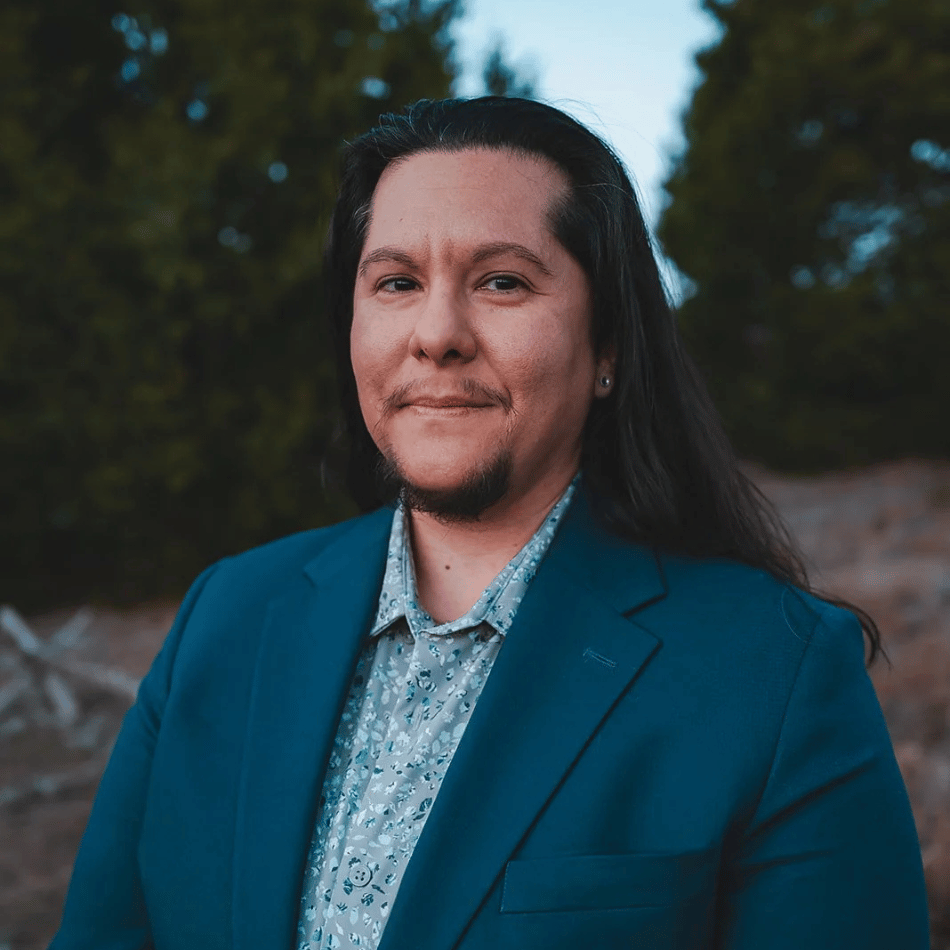
Lauren Thibodeau
Good fit for BIPOC neurodivergent folks
ADHD and autism are two areas I’m passionate about supporting people with, particularly for LGBTQIA+ and BIPOC people who are so often underdiagnosed, misdiagnosed, or failed by systems that weren't designed with them in mind. I bring both personal authenticity to this work and deep clinical training in trauma-informed tools like EMDR, IFS, DBT, and Somatic Experiencing, so I can tailor my approach to the needs of your unique neurotype.
Credentials: Associate Marriage and Family Therapist #127601
Specialty Areas: Neurodivergent-affirming therapy, LGBTQIA+-affirming therapy, BIPOC individuals & couples, trauma & PTSD, complex PTSD, identity exploration, OCD, chronic illness & chronic pain
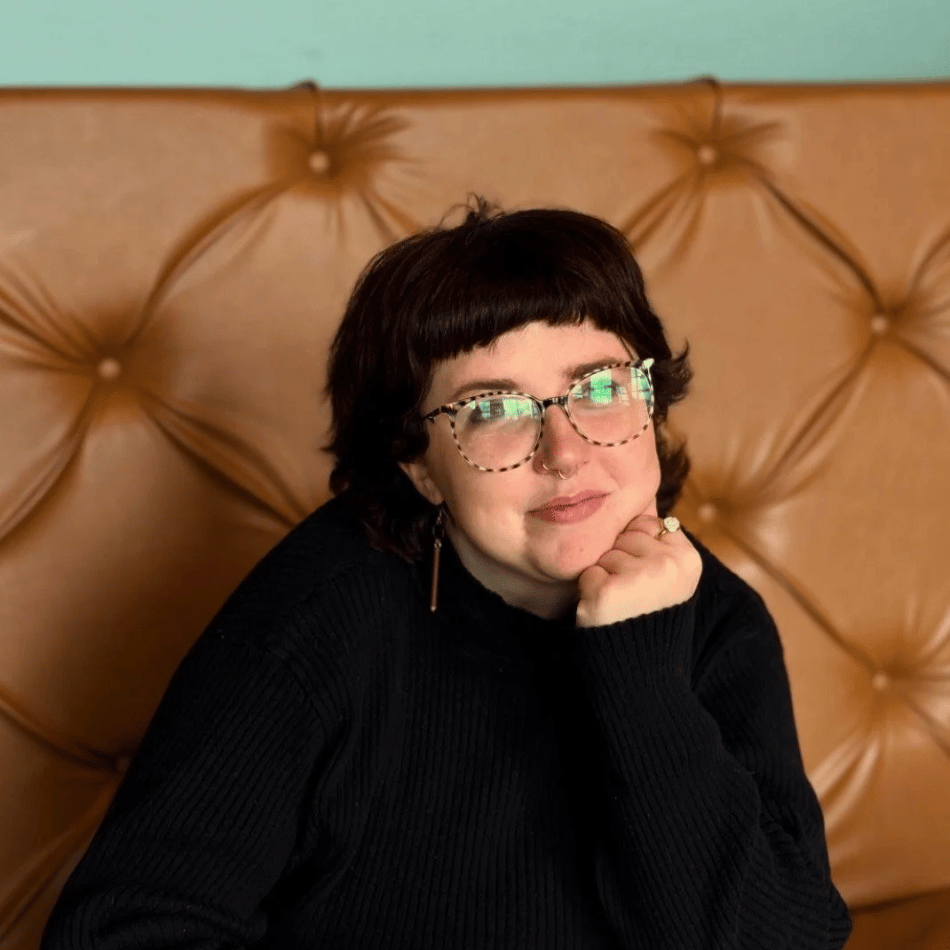
Callista Cox
Good fit for gender-diverse neurodivergent folks
I’ve built my practice at the intersection of gender diversity and neurodivergence. I have specialized training in gender-affirming care, alongside clinical training in DBT, ACT, Prolonged Exposure, and Bowen Family Systems, giving gender-diverse neurodivergent clients a rare combination of affirmation and evidence-based tools. I also recognize that neurodivergence is more than neurodevelopmental disorders (ADHD, Autism, language & processing disorders) but is also an umbrella that encapsulates brain differences: TBIs, disorders of Psychosis, personality disorders, etc. Plus, as someone who was diagnosed later in life with ADHD and OCD, I identify as neurodivergent myself, which gives me a lived understanding that goes beyond clinical expertise alone.
Credentials: Associate Marriage and Family Therapist #141253
Specialty Areas: Neurodivergence, LGBTQIA+ and gender-diverse folks, disability and chronic illness, caregiver burnout, psychosis, grief and loss, chronic stress, depression, suicidal thoughts, teens, couples
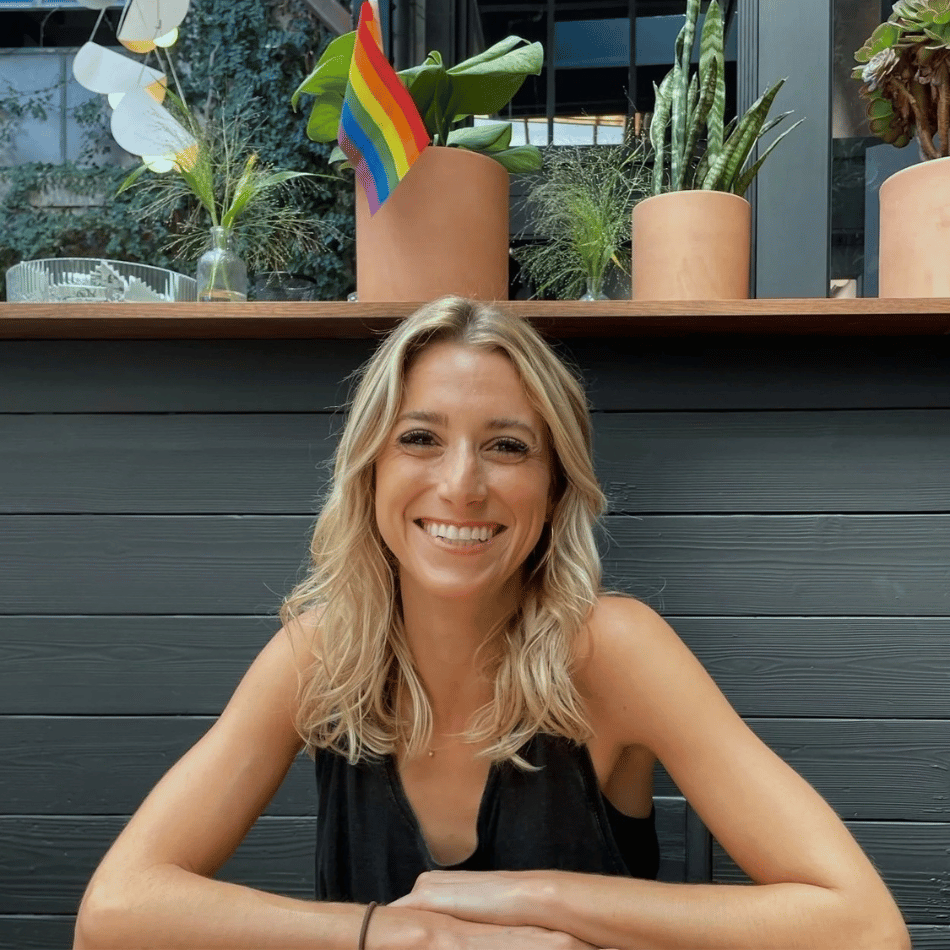
Amy Toig
Good fit for neurodivergent folks experiencing chronic pain/illness
Chronic pain and illness are significantly more common among neurodivergent people, yet most therapy models aren't designed with this reality in mind. My integrative approach is especially designed for folks like you, keeping your physical experience as a central focus of our work together and moving at a pace that’s right for your unique nervous system.
Credentials: Associate Marriage and Family Therapist #147414
Specialty Areas: Neurodivergence, chronic illness and chronic pain, LGBTQ+ community, queer couples therapy, anxiety and depression, trauma and PTSD, burnout and stress, identity, life transitions, ketamine-assisted therapy, Eco Therapy
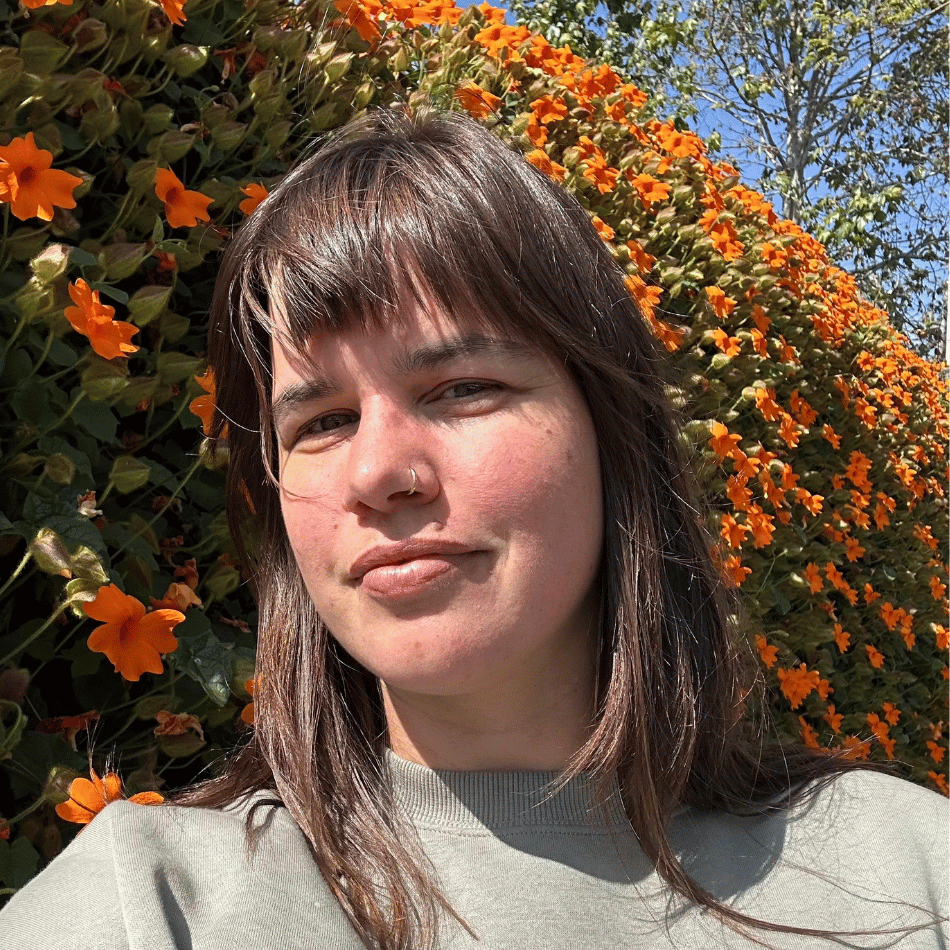
Ellen Ottman
Good fit for neurodivergent folks who have experienced trauma
What brings many neurodivergent adults to my practice is a specific frustration: they've done talk therapy, they have the insight, they understand their patterns—and they still feel stuck and dysregulated. My training in Sensorimotor Psychotherapy and Brainspotting allows us to work below the level of language, directly with the nervous system patterns that keep you stuck, hypervigilant, or shut down. Rather than asking you to adapt to a standard therapy model, I adapt to how your brain and body actually process and heal.
Credentials: Licensed Marriage and Family Therapist #124702
Specialty Areas: Neurodivergence, trauma and PTSD/C-PTSD, anxiety and depression, Brainspotting, LGBTQIA+, couples and polyamorous relationships, sexual trauma, grief and loss, burnout and stress, chronic pain, identity, life transitions, ketamine-assisted therapy
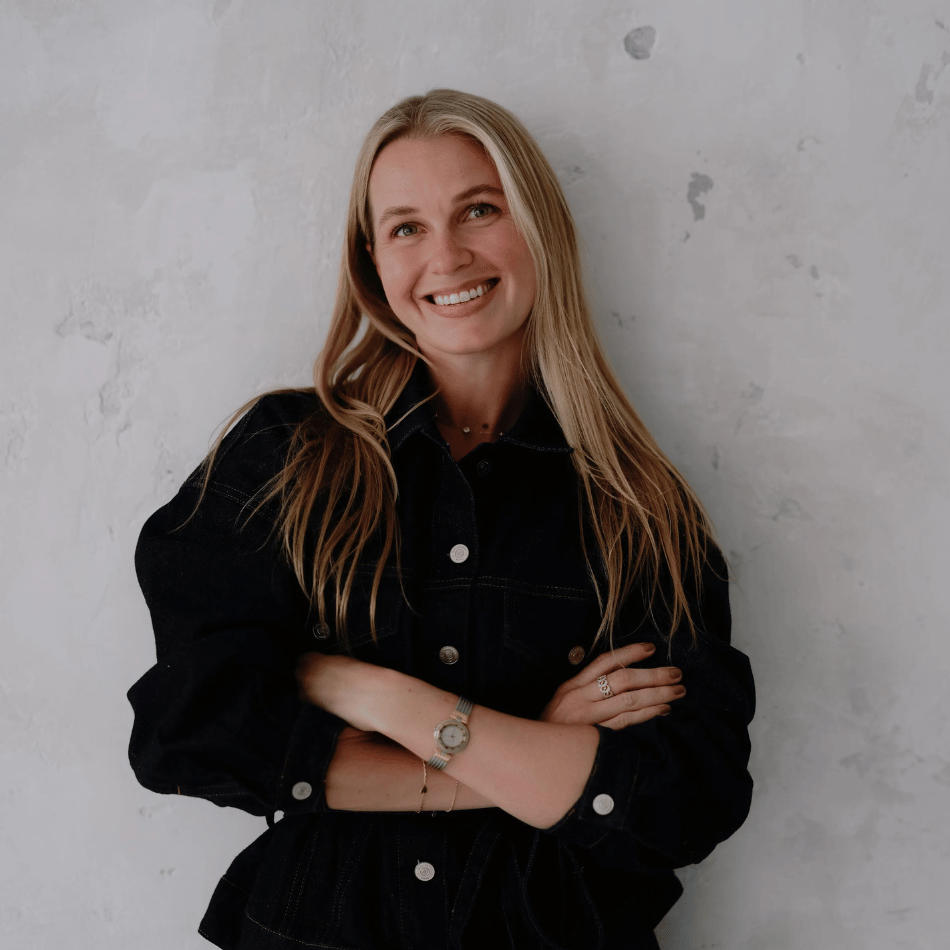
Jen Ottman
Good fit for high-achieving neurodivergent professionals whose success has been built on masking and overdrive
Neurodivergent professionals often arrive in my practice with a history of overachieving and outward success, even though they feel like they’re falling apart on the inside. I help folks like you understand these patterns through psychodynamic and attachment-based work, making space for both the desire to appear “together” and the reality of your specific nervous system. Understanding why these patterns developed—rather than just being handed more coping tools—can be the thing that finally creates room to breathe.
Credentials: Associate Marriage and Family Therapist #153153
Specialty Areas: Neurodivergence, professionals and executives, anxiety and stress, relationships and family dynamics, life transitions, identity and self-worth, premarital & couples therapy
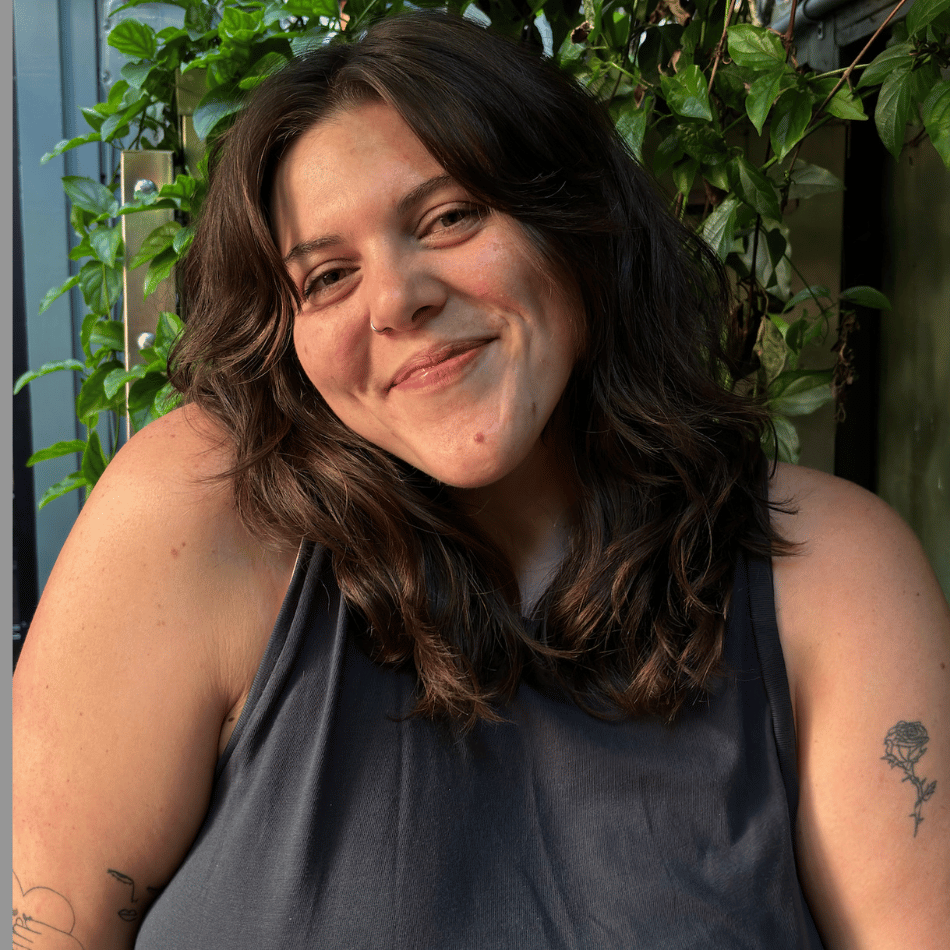
Bayley Azevedo
Good fit for neurodivergent couples/relationships
Neurodivergence can add real complexity to relationships—different communication styles, sensory needs, emotional processing speeds, and patterns of shutdown or overwhelm that neither partner fully understands. My relational and trauma-informed approach helps neurodivergent couples identify the cycles they keep getting stuck in, build communication tools that work for both of their brains, and repair connection with more understanding and less blame. Whether you're in a relationship where one or both partners are neurodivergent, I offer a compassionate, affirming space to do that work together.
Credentials: Associate Marriage and Family Therapist #140730
Specialty Areas: Neurodivergence, LGBTQIA+ couples and relationships, setting boundaries, intimacy, sexual trauma, sex positivity, communication, trauma, anxiety and depression, self-esteem, burnout and stress
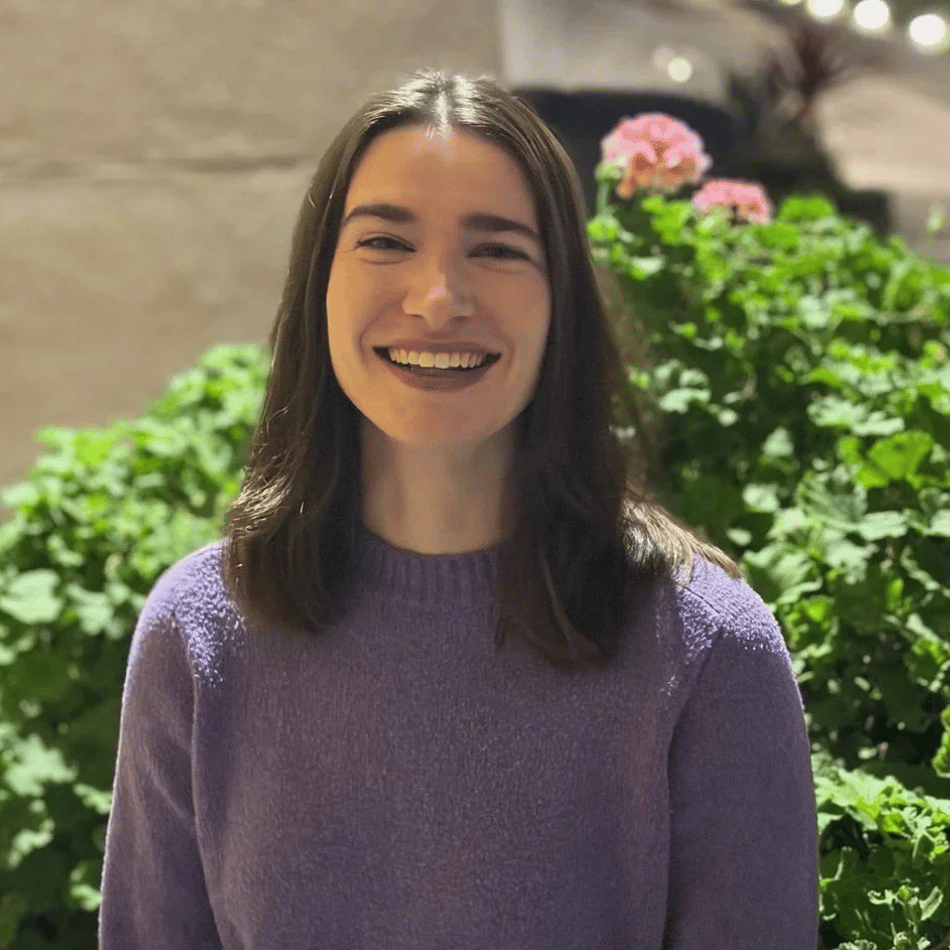
Amanda Nance
Good fit for neurodivergent athletes and those with a complicated relationship with their body
For many neurodivergent people, the body becomes a site of performance long before they have language for why: pushing through sensory discomfort, using physical discipline to self-regulate, or achieving athletically in ways that masked just how much was being held together with sheer effort. My background in personal training, combined with clinical training in somatic therapy, IFS, and ACT, gives me a genuinely rare ability to work at the intersection of athletic identity, body image, and trauma in a way that most therapists simply aren't equipped to do.
Credentials: Associate Clinical Social Worker #136898
Specialty Areas: Neurodivergence, trauma & PTSD, complex PTSD, relationship challenges, grief & loss, identity exploration, life transitions, self-esteem, body image, athletes
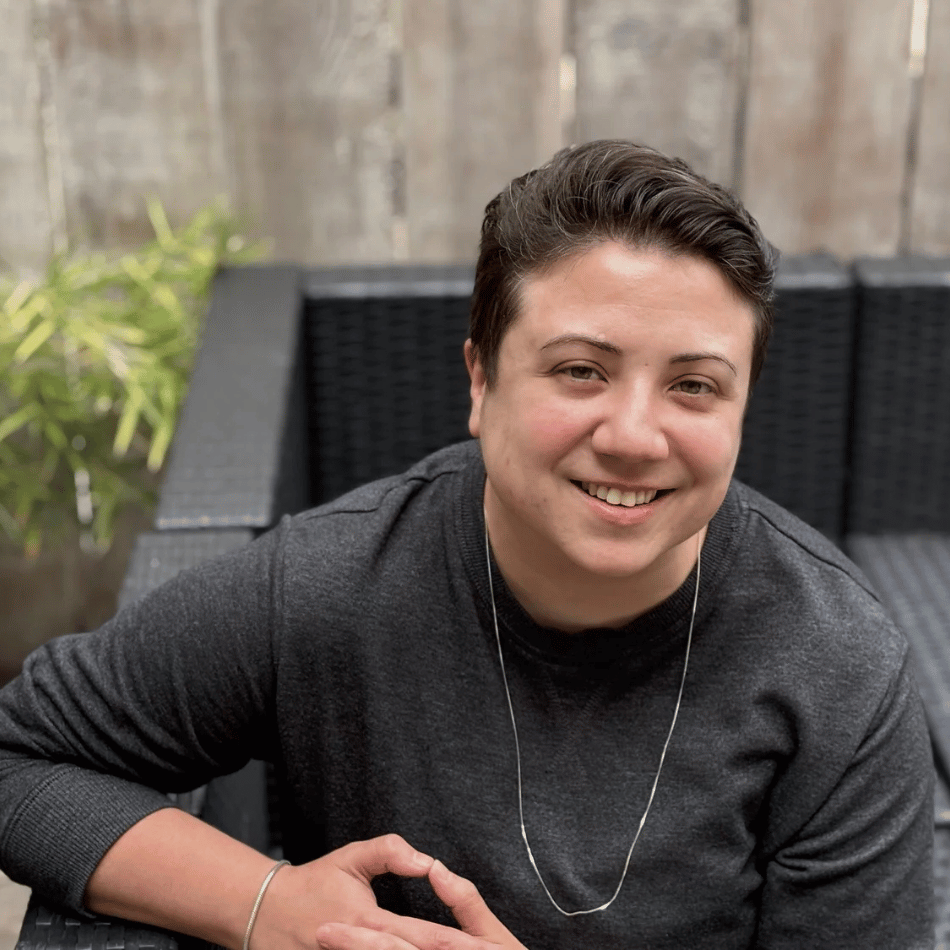
Ky Cruz
Good fit for neurodivergent folks with attachment trauma
Many neurodivergent people have early experiences of being misunderstood in their relationships. Even if you weren’t actively harmed by those in their orbit, constant misattunement to your needs can be damaging to your sense of self. Therapy with me doesn’t pathologize those experiences but rather gets curious about what your relationships have taught you and what perspectives you might be ready to shift. I also bring an explicit social justice lens to this work, which matters for neurodivergent clients whose experiences have been shaped by systems that were never designed to include them.
Credentials: Associate Marriage and Family Therapist #160179
Specialty Areas: Neurodivergence, substance use, trauma & PTSD, complex PTSD, LGBTQIA+ individuals & couples, grief & loss, identity exploration, life transitions, self-esteem
What sets our practice apart from other San Francisco neurodivergent therapy providers
A diverse, neurodivergent-affirming team: Our therapists bring a wide range of clinical training in different modalities so you can find the right fit for your specific brain and body
Body-based and trauma-informed approaches: We recognize that neurodivergence is often intertwined with trauma, anxiety, and chronic dysregulation, and we offer support for your whole system.
LGBTQ+ identified and affirming therapists: Multiple clinicians on our team personally identify as queer or gender-diverse, offering a depth of lived experience in addition to clinical expertise that’s often hard to find.
In-person availability in San Francisco, plus telehealth across California: Whether you thrive in person or prefer the comfort of your own space, we have options that work for you.
Evening openings: We offer evening appointments to help therapy fit into your life.
Specialized care for intersecting identities: Our team has expertise in disability, chronic illness, religious trauma, and more, because neurodivergence rarely exists on its own.
What to expect from the therapy process
Step 1: Free consultation
After you complete our online contact form, our intake coordinator will be in touch within 1-2 business days. During this call, you can ask logistical questions and get a better sense of whether our practice is right for you. We can also help to match you with the right therapist for your needs and goals.
Step 2: Intake and goal-setting
Your first full session is a chance to share your history, identify what you want to get out of therapy, and collaborate on a plan that reflects your goals and how your brain and nervous system work best. Your therapist will walk you through consent, pacing, and options so everything feels clear and safe from the start.
Step 3: Ongoing weekly sessions
Most clients meet weekly for 50-minute sessions, building a therapeutic relationship that feels secure and mutually respectful. Sessions are tailored to you and may blend talk therapy, body-based awareness, creative tools, or other modalities, depending on your therapist and what's most supportive for you.
Step 4: Regular check-ins and transitions
Your therapist will check in regularly on how the work is landing and whether goals need to shift. When you're ready to reduce session frequency or wrap up, you'll do so collaboratively, with a clear plan and a sense of what you're taking with you.
FAQs about neurodivergent-affirming therapy
-
We work from a neurodiversity-affirming, trauma-informed, and identity-conscious lens. That means no pathologizing, no pushing conformity, just real care and curiosity about how your brain and body operate best.
Whether you’re newly diagnosed, self-identifying, or just starting to explore your neurodivergence, you’re welcome here.
-
No, we don't offer formal psychological assessments or diagnostic evaluations. Our focus is on therapeutic support rather than testing. If you're looking for a formal ADHD or autism assessment, we're happy to point you toward appropriate referral resources while also supporting you in therapy.
-
Not at all. Many of our clients come to us self-identified as neurodivergent, or simply noticing patterns like chronic overwhelm, difficulty with transitions, or sensory sensitivity without a formal diagnosis. What matters most is your experience, not a label. You're welcome here regardless of where you are in understanding your brain.
-
Therapy can help you understand the patterns and nervous system responses that shape your daily life, build practical tools for self-regulation and communication, and heal any underlying trauma that may be compounding your experience. Many neurodivergent clients also find deep value in finally feeling understood in a non-judgmental, affirming space.
-
Yes, therapy is typically covered by insurance. At Stillpoint Therapy Collective, we are out-of-network providers and do not bill insurance directly. However, most of our therapists can provide a superbill that you can submit to your insurance company for potential out-of-network reimbursement.
Start working with a neurodivergent-affirming therapist in San Francisco today
You Deserve Support That Actually Supports You
There’s nothing wrong with how your brain works. Therapy can help you unmask, rest, and build a life that fits you, not the other way around.