
10 San Francisco PTSD & C-PTSD Therapists [No Waitlist]
When you live with PTSD or complex PTSD, your nervous system gets stuck on high alert. You’re left exhausted, overwhelmed, and bracing for something bad to happen, even when everything seems fine. You don’t want to keep living this way, but you’re not sure how to get that sense of groundedness you crave.
At Stillpoint Therapy Collective, our PTSD therapists in San Francisco specialize in trauma-informed care. Using a blend of modalities, we’re here to help you process what happened, move forward with intention, and build a life you feel good about.
Jump to a therapist
Callista Cox: Good fit for folks navigating disability or chronic illness
Jen Ottman: Good fit for high-achieving professionals
Amy Toig: Good fit for ketamine-assisted therapy
Bayley Azevedo: Good fit for LGBTQ+ couples
Amber Godwin: Good fit for Somatic Experiencing
Ellen Ottman: Good fit for sexual trauma therapy
Amanda Nance: Good fit for athletes and those struggling with body image
Lauren Thibodeau: Good fit for EMDR therapy
Ky Cruz: Good fit for BIPOC folks
Ellen Ottman: Good fit for sexual trauma therapy
If you’re not sure which therapist is right for you, contact us for a free consultation so we can match you.
Meet our San Francisco PTSD & complex PTSD therapists
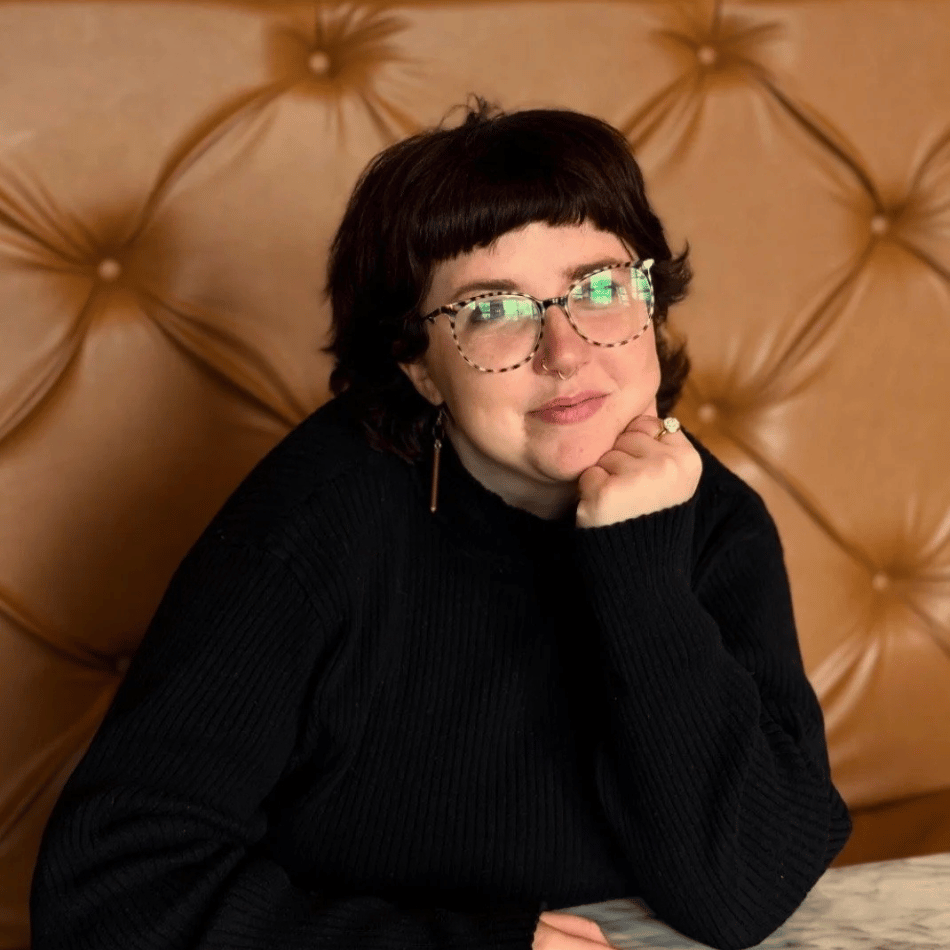
Callista Cox
Good fit for folks navigating disability or chronic illness
Chronic illness and disability reshape your relationship to safety, identity, independence, and trust, often in ways that mirror and compound trauma. I specialize in supporting people in this space—those who are managing physical conditions and the emotional weight that comes with them, or past experiences that seem separate but may intersect in some ways.
I'm trained in trauma-informed methods like Prolonged Exposure Therapy, Narrative Exposure Therapy, DBT, and ACT, and I pace all of it around your actual capacity on any given day, because I understand that a nervous system carrying both chronic illness and trauma needs a fundamentally different kind of care than a one-size-fits-all protocol can offer.
Credentials: Associate Marriage and Family Therapist #141253
Specialty Areas: Trauma, disability and chronically ill community, caregiver burnout, grief and loss, stress, depression, suicidal thoughts, couples, polyamory and consensual non-monogamy, LGBTQIA+ and gender-diverse community
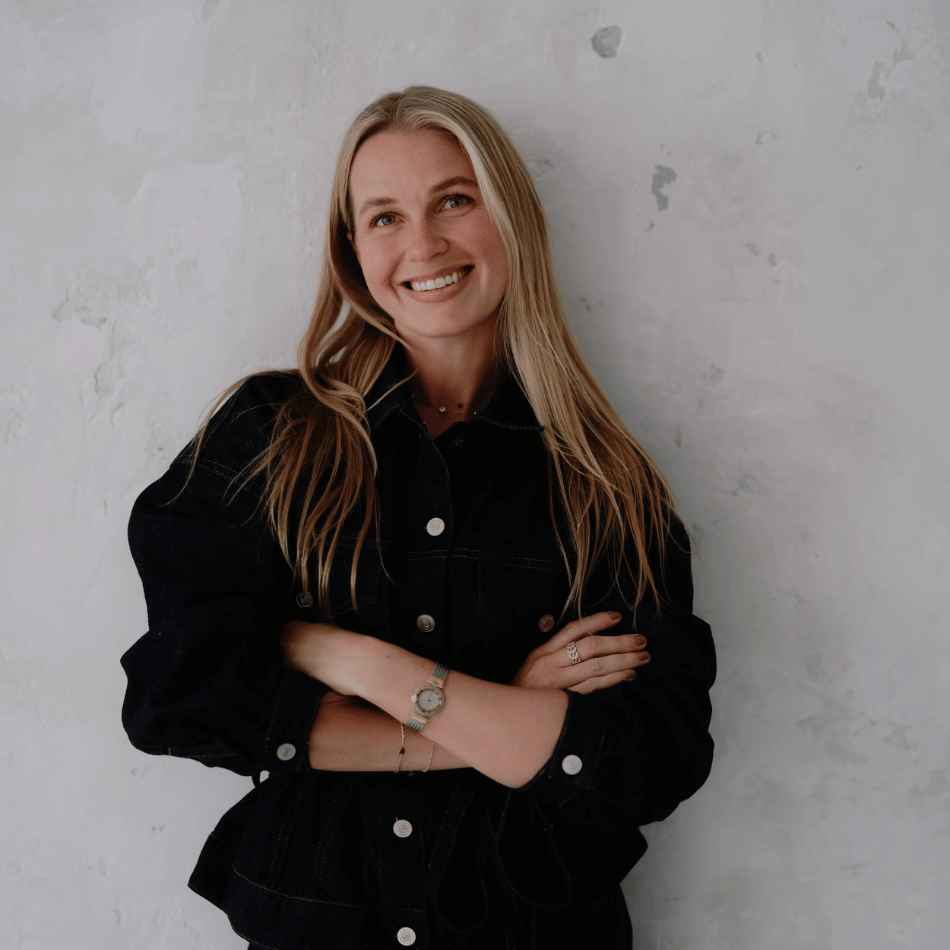
Jen Ottman
Good fit for high-achieving professionals
So many high achievers appear polished and put together on the outside, but are internally struggling with burnout, perfectionism, and imposter syndrome: all patterns that can be rooted in past trauma. I understand this both clinically in my work with drive professionals and through my own firsthand experience.
My approach is psychodynamic, relational, and attachment-oriented, meaning that we’ll uncover the root of these experiences so you can start to shift the behaviors that are keeping you stuck and disconnected.
Credentials: Associate Marriage and Family Therapist #153153
Specialty Areas: Trauma, professionals and executives, anxiety and stress, relationship and family dynamics, life transitions, identity and self-worth, premarital counseling and couples therapy
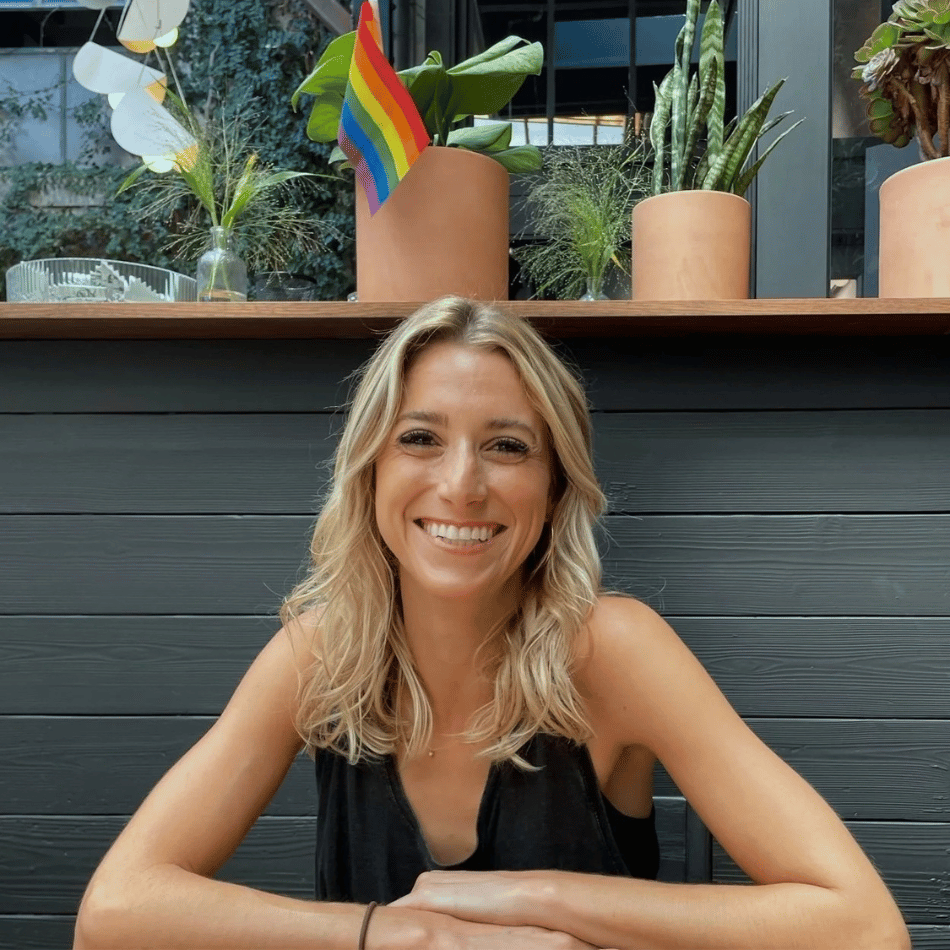
Amy Toig
Good fit for ketamine-assisted psychotherapy
I offer preparation and integration support for ketamine-assisted psychotherapy alongside a deeply integrative somatic and mindfulness-based approach. This combination allows us to work with trauma at multiple layers, supporting what surfaces during KAP sessions and helping it translate into lasting change.
My style is warm, unhurried, and LGBTQ+-affirming. We build safety and trust first, so that when we do go into more vulnerable territory, your nervous system has a stable foundation to return to.
Credentials: Associate Marriage and Family Therapist #147414
Specialty Areas: Trauma, Ecotherapy, couples, LGBTQIA+, chronic illness and chronic pain, anxiety, depression, burnout and stress, identity exploration, life transitions
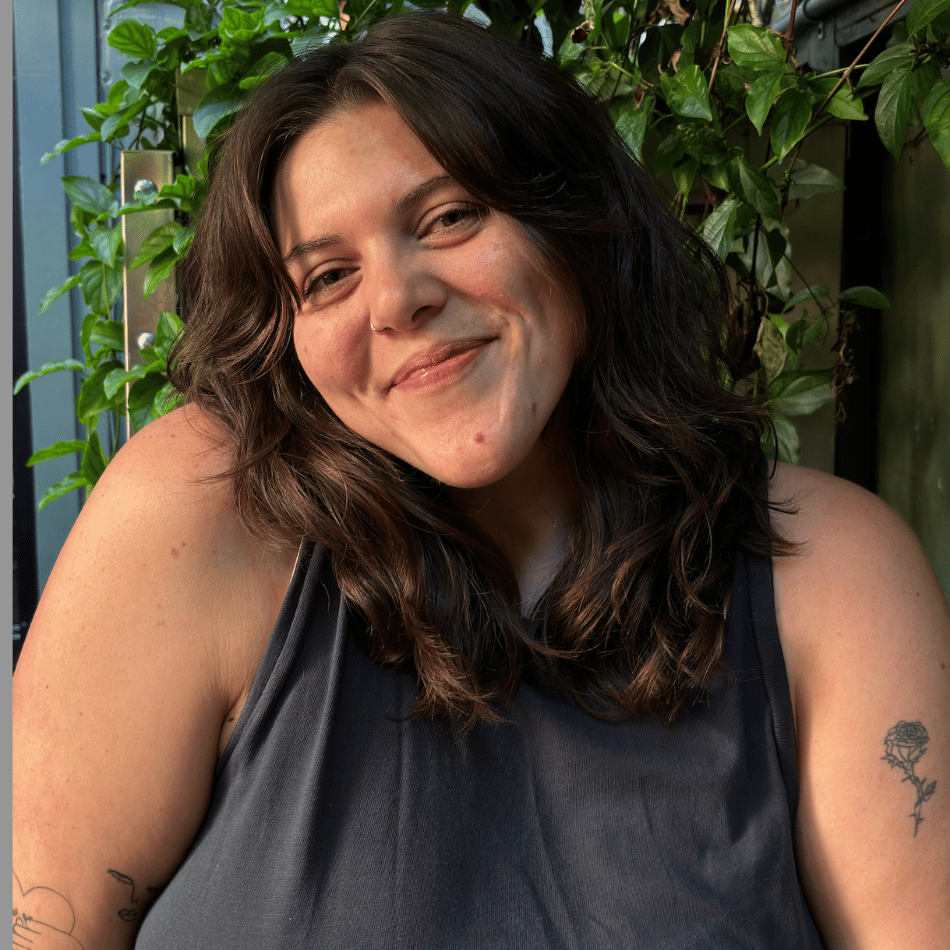
Bayley Azevedo
Good fit for LGBTQ+ couples
I specialize in supporting LGBTQ+ couples where trauma has shaped how partners connect and communicate. What sets my work apart is the dual focus: tending to each individual's healing while also repairing the relational wounds that so often travel alongside PTSD and CPTSD in partnership.
I take a psychodynamic, relational approach to create a therapeutic container that will help you and your partner approach the hard things without shutting down or flooding, and where the patterns keeping you stuck can begin to shift.
Credentials: Associate Marriage and Family Therapist #140730
Specialty Areas: Trauma, sexual trauma, couples and relationships, LGBTQIA+, intimacy, communication, anxiety, depression, self-esteem, burnout and stress
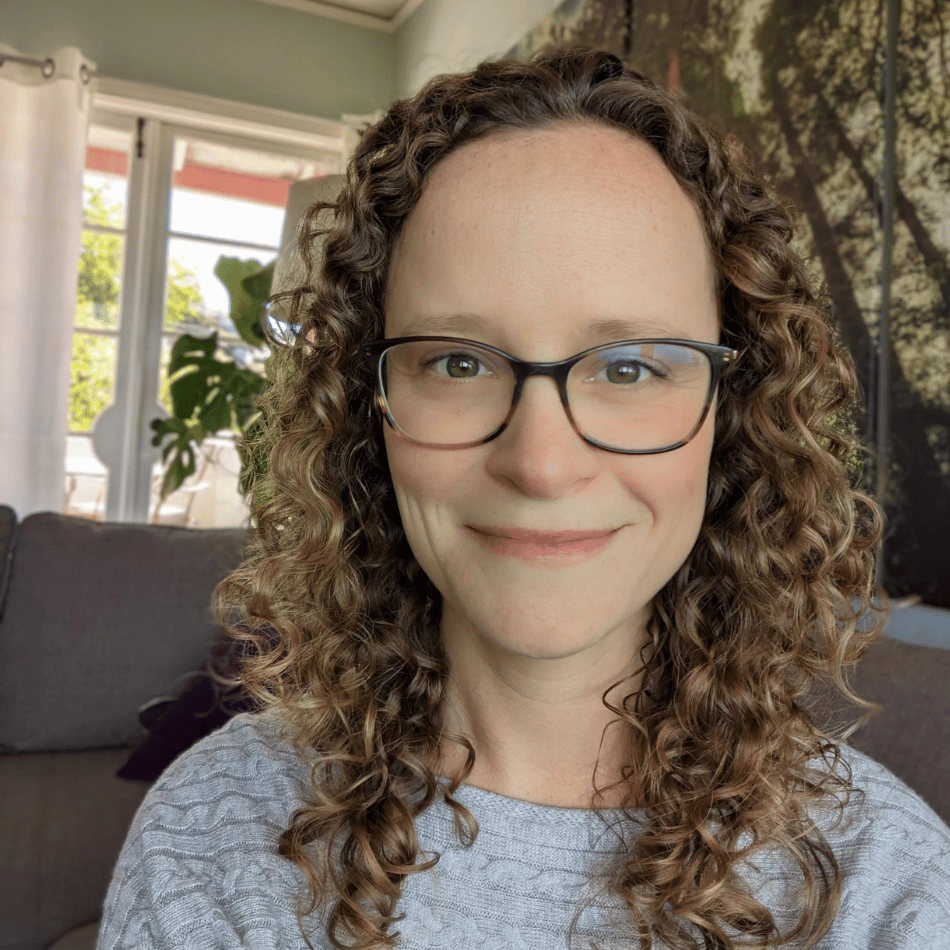
Amber Godwin
Good fit for Somatic Experiencing
I have ongoing specialized training in Somatic Experiencing: a body-based approach developed specifically to help your nervous system complete the stress and trauma responses that got stuck, often long before you had words for what happened.
My work is warm, collaborative, and paced carefully around your window of tolerance; we build safety first, then gently expand your capacity to be with difficult experiences without becoming overwhelmed or shutting down. If you’ve struggled with traditional talk therapy, somatic approaches may be the missing piece you’ve been searching for.
Credentials: Associate Marriage and Family Therapist #144905
Specialty Areas: Trauma, somatic therapy, trauma, anxiety, stress, nervous system regulation, couples
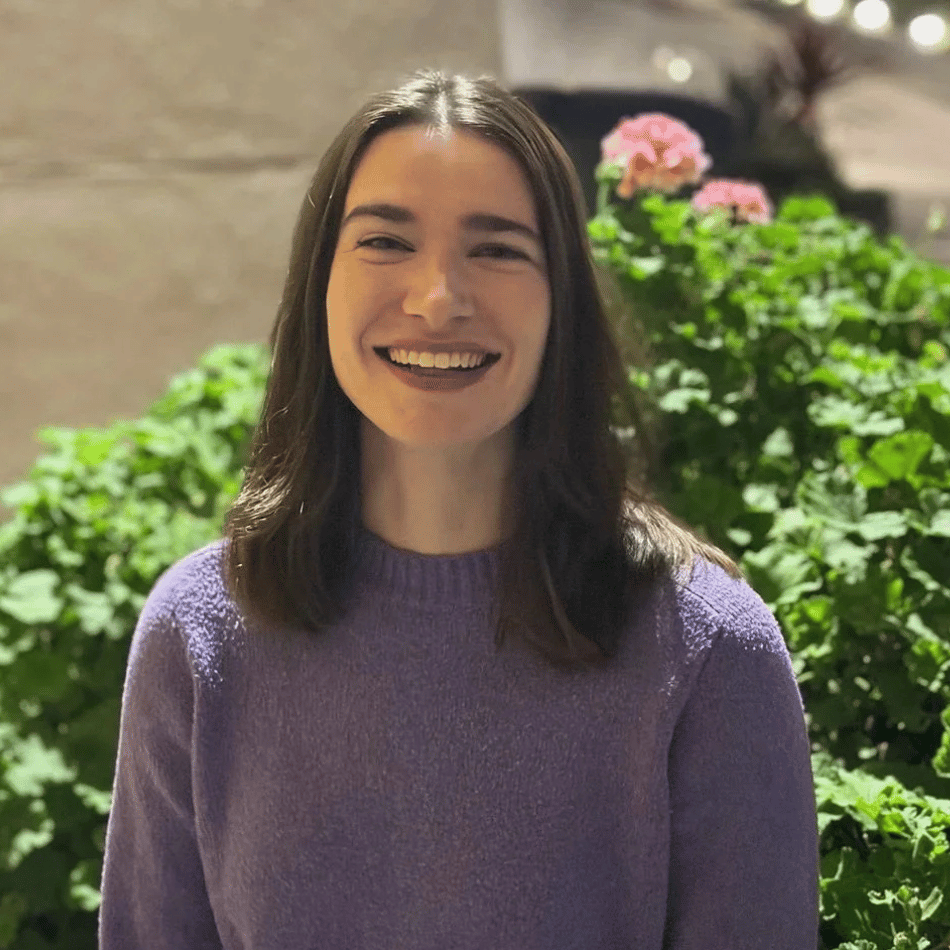
Amanda Nance
Good fit for athletes and those struggling with body image
I bring something unusual to trauma work: a background in personal training alongside clinical training in IFS, Somatic Therapy, ACT, Ecotherapy, and Narrative Therapy. This means I understand the body not just as a site of trauma but as a genuine source of strength, information, and healing.
I specialize in working with athletes and people carrying complicated relationships with their bodies, helping clients honor what past versions of themselves did to survive while exploring whether those same patterns still serve them today. I
Credentials: Associate Clinical Social Worker #136898
Specialty Areas: Trauma, complex trauma, body image, athletes, relationship challenges, grief and loss, identity exploration, life transitions, self-esteem
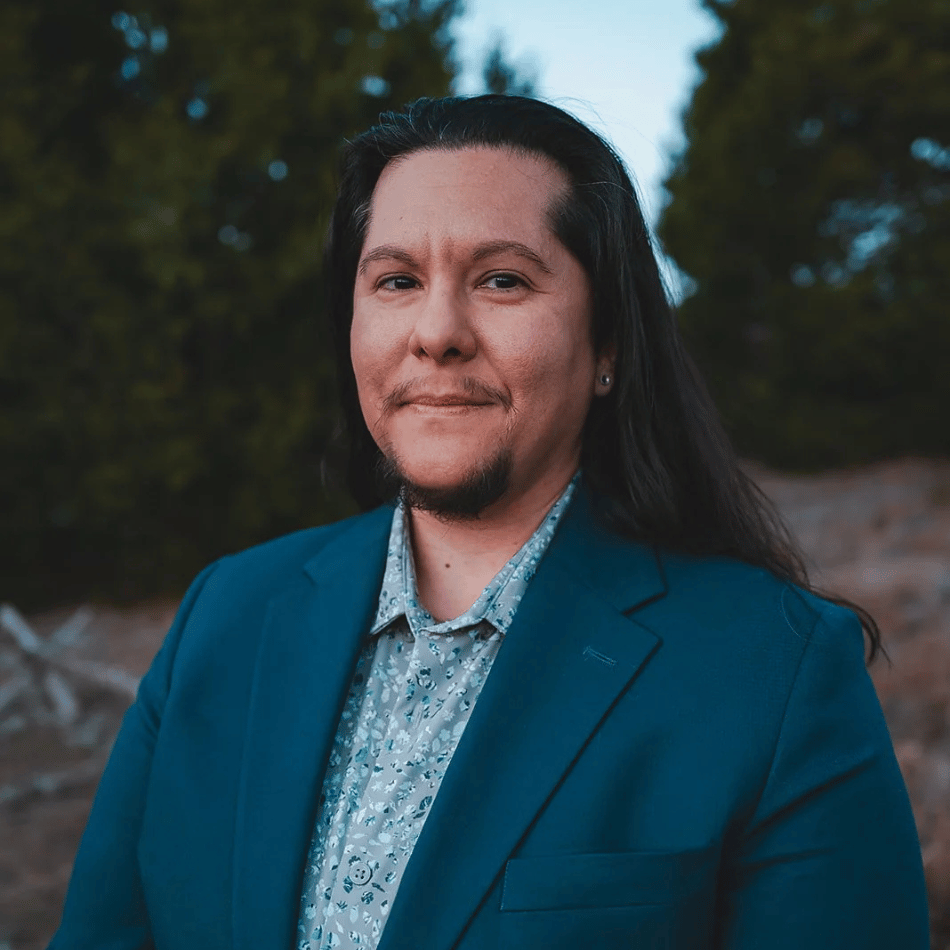
Lauren Thibodeau
Good fit for EMDR therapy
As a therapist, I bring both the authenticity of lived experience as someone with intersectional identities and a broad clinical toolkit that I tailor to each person rather than applying a single framework.
If you've tried talking about your trauma and found that words only go so far, EMDR might be worth adding into the mix. It works by helping your brain reprocess stuck traumatic memories, so they lose their charge, often reaching places that talk therapy alone can't access. I also blend in complementary methods like IFS and somatic therapy to create a customized experience for each person I walk alongside.
Credentials: Associate Marriage and Family Therapist #127601
Specialty Areas: Trauma, complex trauma, BIPOC individuals and couples, LGBTQIA+-affirming therapy, neurodivergence-affirming therapy, OCD, identity exploration, chronic illness and chronic pain
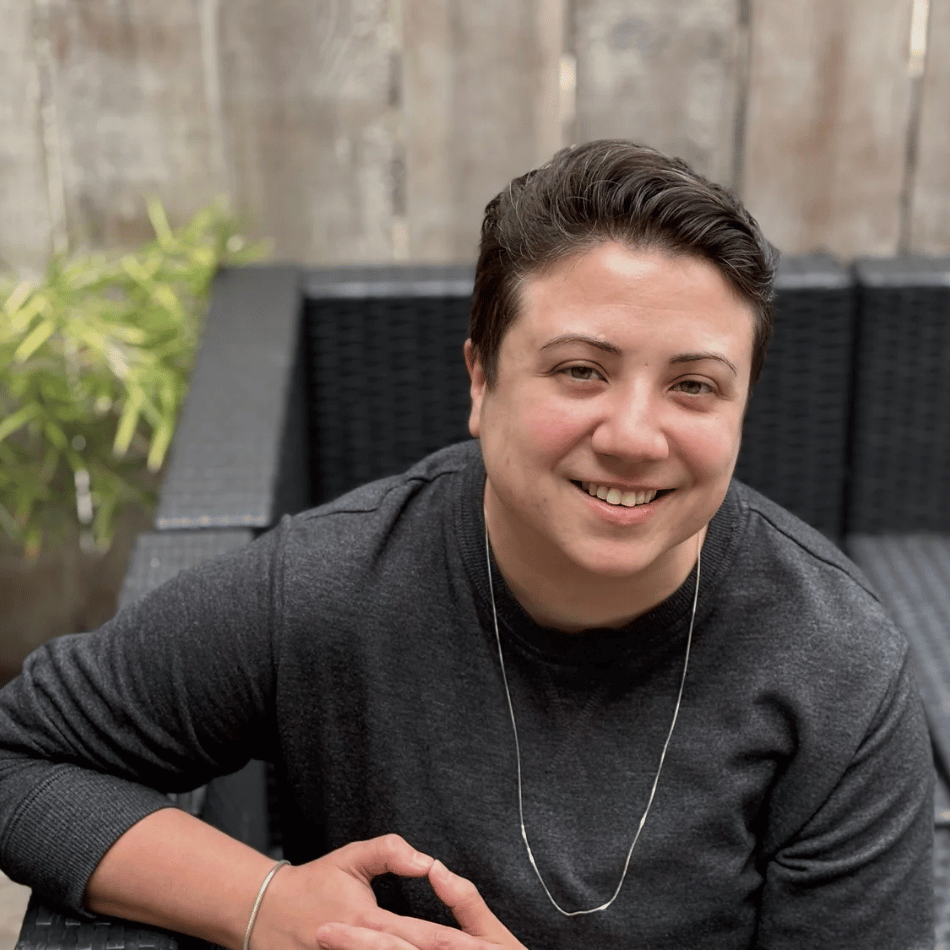
Ky Cruz
Good fit for BIPOC folks
Healing from trauma looks different when your nervous system has also been shaped by racism, cultural displacement, intergenerational harm, and the daily weight of navigating systems that weren't built with you in mind—and that's exactly the kind of layered experience I'm here to hold.
My practice is grounded in a trauma-informed, social justice lens with a genuine commitment to LGBTQIA+ and BIPOC communities, and together, we’ll get curious about what’s serving you, what you’re ready to let go of, and how you can step into your most authentic self.
Credentials: Associate Marriage and Family Therapist #160179
Specialty Areas: Trauma & PTSD, complex trauma, substance use, neurodivergence, LGBTQIA+ individuals & couples, grief & loss, BIPOC individuals & couples, identity exploration, life transitions, self-esteem
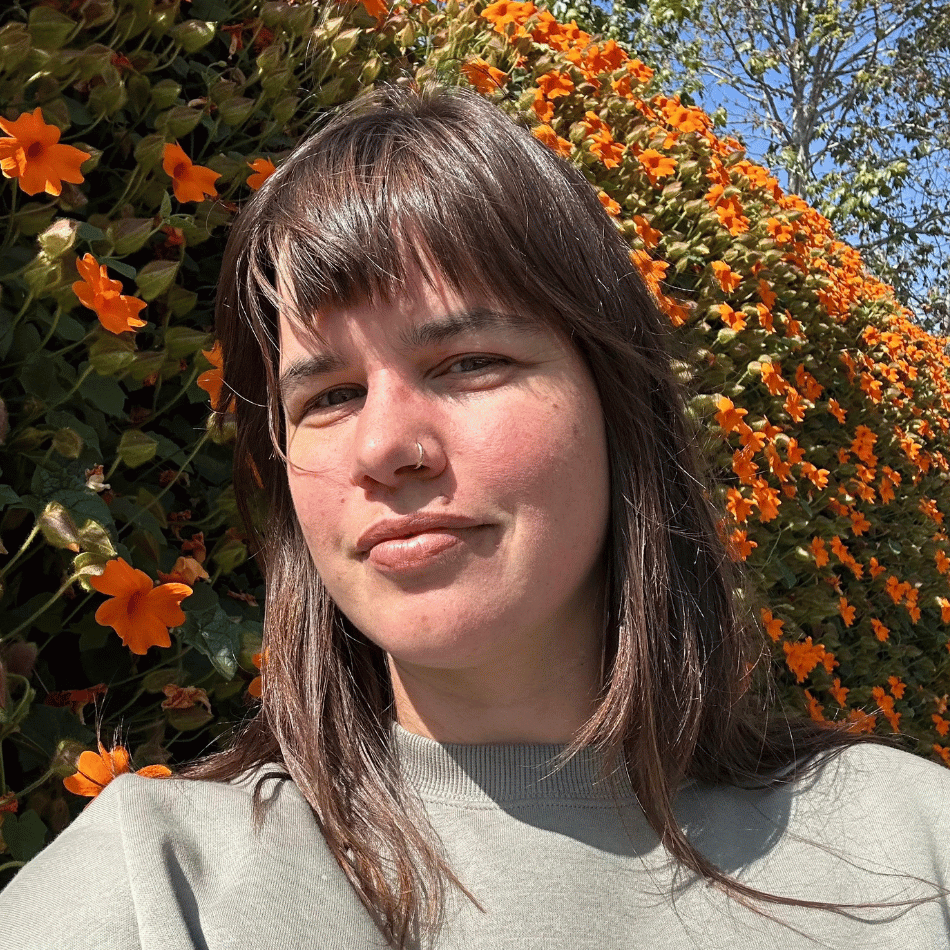
Ellen Ottman
Good fit for sexual trauma
Sexual trauma lives in the body in particular ways: freeze responses, disconnection from physical sensation, complicated relationships between safety and intimacy. I've built my entire clinical approach around working at exactly that level. I draw on Sensorimotor Psychotherapy (a somatic trauma therapy method that works with attachment patterns) and Brainspotting to help clients process sexual trauma in-depth and at their own pace.
Beyond using these specialized trauma-focused modalities, my approach is relational, body-based, and LGBTQ+-affirming. I recognize that healing doesn’t happen through intellectual understanding, but through a supportive therapeutic connection and cultivating a felt sense of safety. That’s what my work brings.
Credentials: Licensed Marriage and Family Therapist #124702
Specialty Areas: Trauma, ketamine-assisted psychotherapy, couples, polyamory and consensual non-monogamy, LGBTQIA+, anxiety, depression, grief and loss, burnout and stress, chronic pain, identity exploration, life transitions
What sets our practice apart from other San Francisco PTSD treatment providers
At Stillpoint Therapy Collective, we've built a team of trauma specialists who bring diverse training, lived experiences, and genuine clinical depth to PTSD and CPTSD treatment.
Body-based trauma care: Multiple therapists on our team hold advanced training in somatic modalities, including Sensorimotor Psychotherapy, Somatic Experiencing, Hakomi, and Brainspotting.
LGBTQ+-affirming throughout: Every therapist on this page practices with an LGBTQ+-affirming lens. Several identify as queer or gender-expansive themselves, bringing lived understanding alongside clinical expertise.
Diverse, specialized team: From evidence-based approaches like Prolonged Exposure Therapy to creative, somatic, and nature-based modalities, our clinicians bring a wide range of training so therapy is tailored to you.
Ketamine-Assisted Therapy available: For clients who haven't found lasting relief through traditional approaches, select therapists offer KAP preparation and integration.
In-person and virtual flexibility: We see clients in-person in San Francisco and the Bay Area, and virtually throughout California: whatever best supports your life and nervous system.
What to expect from the therapy process
Step 1: Initial contact
Fill out our brief online contact form with some basic information. From here, our intake coordinator will be in touch within 1-2 business days to answer logistical questions and help match you with a therapist.
Step 2: Initial intake session
In your first full session, you’ll start exploring your history, clarifying your goals, and beginning to build the therapeutic trust that’s the foundation of the work. Your therapist will review pacing, consent, and options with you so nothing feels rushed or surprising.
Step 3: Ongoing sessions
Week by week, you and your therapist work at a pace calibrated to your nervous system, gradually building capacity, exploring patterns, and gradually processing what's been held in your body and mind.
Step 4: Integration & lasting change
As therapy progresses, the regulation skills and insights you've built begin to show up in your daily life: in your relationships, your body, and the choices you feel capable of making. Many clients move from survival mode to genuine, sustainable growth.
FAQs about therapy for PTSD & CPTSD
-
Both PTSD and complex PTSD develop in the wake of traumatic experience, but they differ meaningfully in origin and presentation:
PTSD often:
Follows a single identifiable traumatic event (an accident, assault, or disaster)
Presents with flashbacks, nightmares, hypervigilance, and avoidance
Has a clearer onset and a defined timeline
CPTSD often:
Results from repeated or prolonged trauma, especially in childhood or relational contexts (neglect, abuse, ongoing unsafe environments)
Includes all PTSD symptoms, plus significant difficulties with self-worth, emotional regulation, and trusting others
Involves a deeper disruption to one's sense of identity and safety in the world
Both are valid, and both respond well to the somatic, trauma-informed approaches our team specializes in.
-
No, a formal diagnosis is never required to begin trauma therapy with us. Many clients come in simply knowing that something feels persistently off: their body never feels relaxed, their relationships keep hitting the same walls, or they constantly feel disconnected from themselves. We'll meet you in your experience exactly as it is, wherever you're starting from.
-
There's not just one best type of therapy for PTSD. The right approach depends on you, your history, and how your nervous system holds trauma. Our team offers a wide range of methods so we can match the therapy to you, not fit you into a protocol. Many of our therapists offer body-focused modalities like somatic therapy, along with select talk therapy approaches like psychodynamic therapy.
-
Trauma therapy offeres a safe, regulated space to gradually process past experiences without becoming overwhelmed. Over time, clients typically experience reduced hypervigilance and emotional reactivity, greater capacity to tolerate difficult feelings, more ease in relationships, and a more grounded, embodied sense of themselves in daily life.
-
Yes, therapy for PTSD is typically covered by insurance. Our therapists are out-of-network providers and do not bill insurance directly. However, every clinician at our practice can provide a superbill, which you can submit to your insurance company for potential out-of-network reimbursement—many clients receive partial coverage this way.